Apprenticeship Requirements Across Public Construction Projects

Apprenticeship requirements can have a direct impact on whether your next public works project stays profitable and on schedule. Winning more public construction work is good for business, but winning it without fully understanding the requirements built into the contract can quickly turn that opportunity into a margin problem. For contractors, apprenticeship compliance affects more […]
How to Build a Contract Compliance Audit System That Prevents Costly Penalties

How much profit can disappear when your contract compliance audit process fails to catch an issue before your project is already underway? For contractors working on public projects, compliance problems rarely stay confined to paperwork. A missed requirement, inconsistent payroll record, subcontractor issue, or incomplete document trail can create additional labor costs, payment delays, administrative […]
How Do Davis-Bacon Wages Work? A Contractor’s Guide to Labor Costs and Compliance
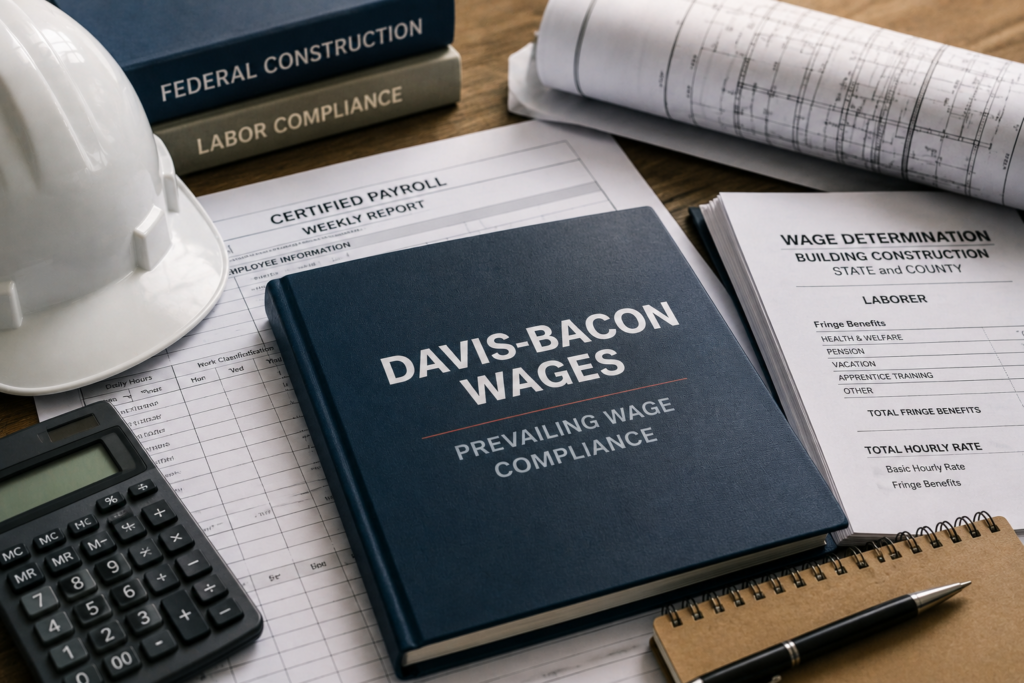
How do Davis-Bacon wages affect the labor costs and profit margin you expected when you bid a federally funded construction project? Understanding Davis-Bacon wages is about much more than finding an hourly wage rate. The requirements can influence how you estimate labor, classify workers, calculate fringe benefits, manage subcontractors, complete certified payroll, and ultimately protect […]
Form 347 Instructions: How to Complete WH-347 Certified Payroll Without Errors
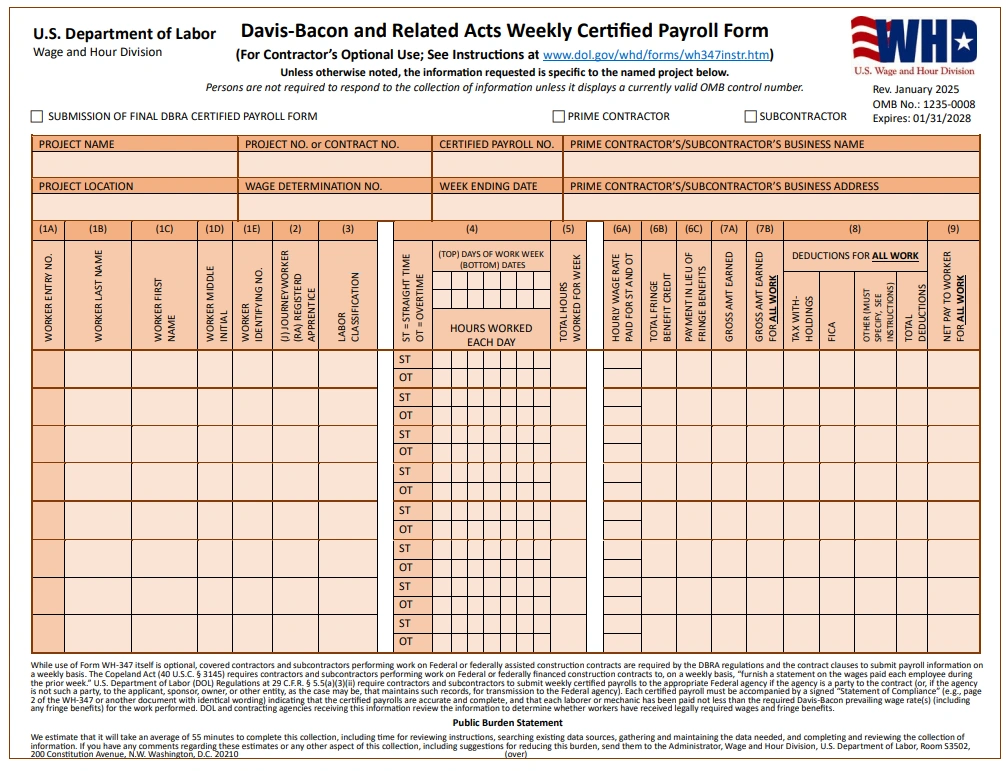
Form 347 instructions are essential for every contractor working on federally funded construction projects. Winning public work depends on more than submitting the lowest qualified bid. It also requires having the systems and processes in place to meet every labor compliance requirement from the first week of the project through final payment. For many contractors, […]
State Prevailing Wage Requirements: What Contractors Need to Compare
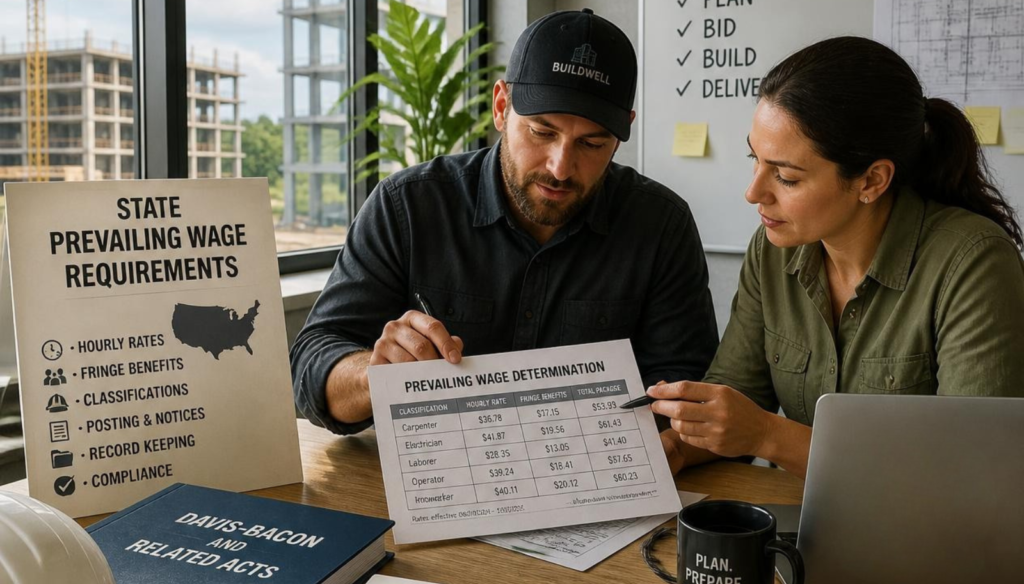
State prevailing wage requirements and state and industry-specific compliance can have a significant impact on your labor costs, bid strategy, and project profitability long before construction begins. Whether you’re bidding on infrastructure, affordable housing, renewable energy, or other publicly funded projects, prevailing wage requirements often vary by state, funding source, and project type. Assuming the […]
Davis-Bacon Requirements: What Every Contractor Must Before Bidding

Davis-Bacon requirements should be one of the first things every contractor verifies before bidding on a federally funded construction project. Winning a federal project starts long before the first shovel hits the ground. It starts by understanding the labor standards, wage determinations, and payroll obligations that will directly affect your bid, your labor costs, and […]
What Triggers Audits on Denver Infrastructure Projects? Step-by-Step Guide

Denver audit triggers rarely begin with a single payroll mistake. Most infrastructure audits start much earlier, when small compliance gaps go unnoticed. A funding source changes, worker classifications are inconsistent, subcontractor records are incomplete, or certified payroll documentation is missing. By the time an auditor requests records, those small issues may have grown into payment […]
How Compliance Impacts Labor Costs Across Different Project Types

Labor compliance costs are usually decided long before the first certified payroll is filed. Across infrastructure, renewable energy, and affordable housing projects, labor compliance costs increase when funding triggers prevailing wage requirements, fringe benefit obligations, apprenticeship rules, wage determinations, and recordkeeping requirements that were not fully priced at bid time. Federal Davis-Bacon rules apply to […]
Step-by-Step Compliance Process for Oregon Affordable Housing Projects

The Compliance Process for Oregon can determine whether an affordable housing project stays profitable or becomes buried in unexpected labor compliance costs and reporting requirements. Affordable housing projects in Oregon often look straightforward on paper. Then the funding stack changes, a new grant is added, or a compliance requirement appears after bidding has already started. […]
Infrastructure vs Renewable Energy vs Affordable Housing Compliance in Denver and Colorado

Industry-specific compliance requirements are becoming one of the biggest operational risks facing contractors working on publicly funded projects. They start with who owns the work, which funds touch it, and which reporting system follows it. Federal or federally assisted public works projects can trigger Davis-Bacon and Related Acts coverage above the $2,000 threshold. Denver city […]